What to Check in the First Month After New Windows Go In
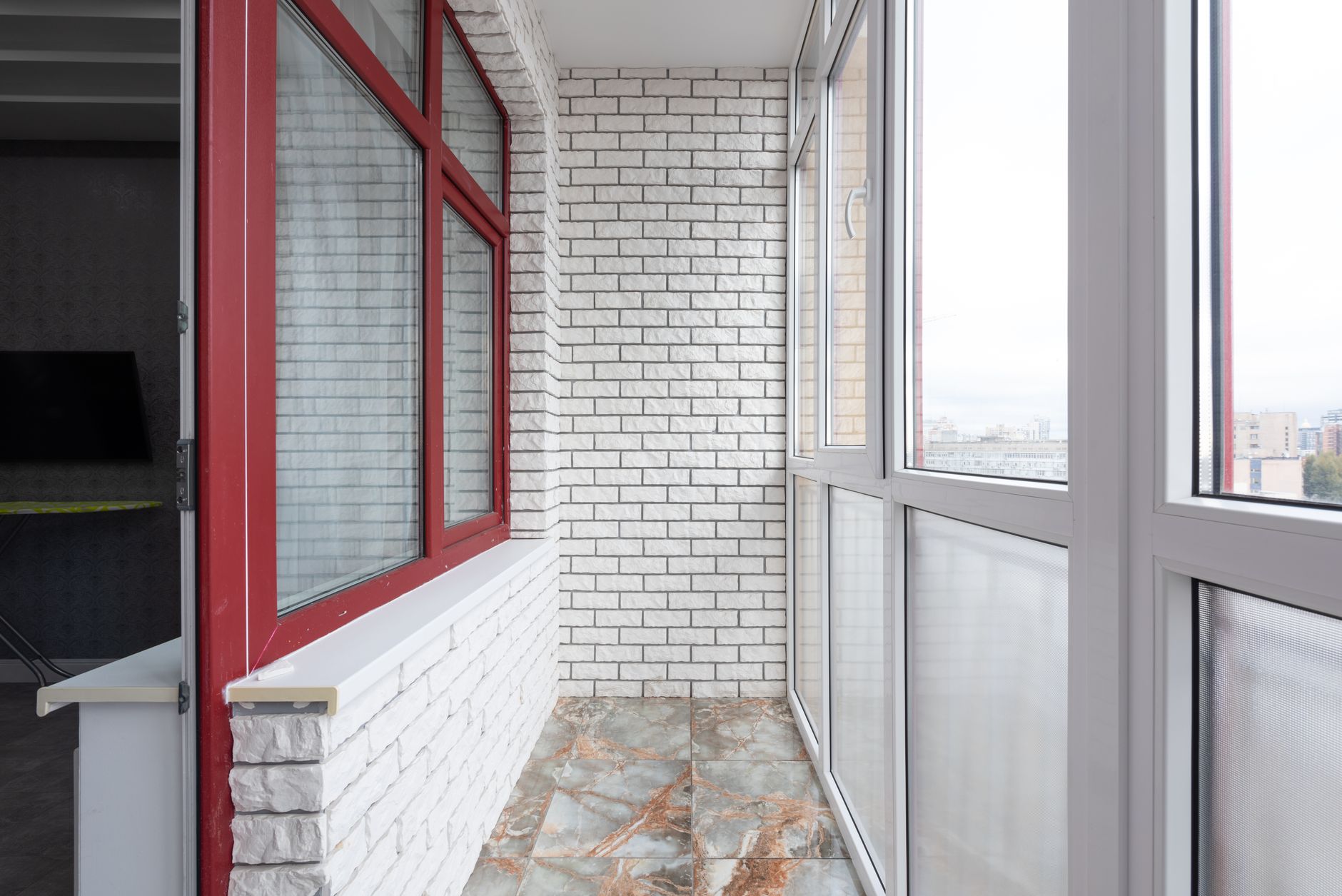
New windows need a short list of checks in the first month, and most of them take a few minutes. The sealant cures, the interior trim settles, the first damp morning shows whether the seals are tight, and the hardware needs a trial run. A Carlsbad house gets a quick test of all of it, because the marine layer arrives nearly every night.
How long does the sealant take to cure?
Exterior sealant skins over within a few hours and cures through over several days. Cool, damp mornings along the coast slow it down, so a bead laid on a foggy day stays soft longer than one laid in dry sun. During that time the bead should be left alone. Pressing a thumb into it, washing it with a hose, or painting over it too soon leaves dents and weak spots.
Interior caulk behind the trim cures the same way, only faster, since the room air is drier. Painters usually wait a day or two before painting over fresh caulk.
What should be checked on the first morning?
Open and close every sash the morning after the install. A double hung should rise and stay where it is left. A casement should swing out without catching and pull shut against the seal as the crank turns. A slider should roll the full length of its track with a light push. A picture window has nothing to move, so check the stops and the seal line instead, looking for a gap where light shows through or a spot where the seal has lifted.
Locks deserve a look too. Each latch should pull the sash snug without forcing it, and the keeper plate should line up with the hook. If a lock needs a hard shove, the sash is out of square or the plate needs adjusting, and the installer can correct either in minutes.
Is moisture on the new glass a problem?
Some moisture is normal. Condensation can form on the outside face of new, efficient glass on clear, cool mornings, because the outer pane stays cold when the inner pane holds the house heat. It clears as the sun reaches it. Moisture on the room side in a very humid room, such as a bathroom or kitchen, is a ventilation issue and not a defect.
Moisture between the two panes is different. That points to a seal fault in the glass unit and should be reported while the windows are under warranty. A new unit that fogs inside the first month is rare, and the installer will want the date and a photograph.
What do the stickers and labels mean?
New windows often carry temporary labels on the glass. They list the U factor, the solar heat gain coefficient and sometimes air leakage and visible light. Peeling them off is fine once the work is signed off, though some installers ask owners to wait until the inspection, if one is needed, has passed. A small etched stamp in a corner of the glass is permanent. It marks tempered glass, and it should stay.
Protective film on the frames is different. Vinyl and fiberglass frames sometimes ship with a thin plastic film. It should come off within a few weeks, because sun can bake it onto the frame.
How should new glass be cleaned?
Use plain water and a soft cloth first. Many coatings on glass are on the inner surfaces of the unit and are not touched by cleaning, but dried sealant, stucco dust and plaster splatter can scratch the outer faces if scrubbed dry. Soaking the spot and lifting it with a plastic scraper works better than a razor blade held flat.
- Skip abrasive pads and powders on glass and on painted or clad frames.
- Keep ammonia cleaners away from the sealant joints and rubber seals.
- Rinse stucco dust off the sill before it hardens in the track.
What does the sill need after installation?
A sill should slope outward slightly, so water runs off and does not sit. After the first rain, look at the sill and the stucco just below it. Water that pools, or a dark damp line that stays after the sun is out, points to a flashing or sealing problem. Catching it in the first month is far easier than finding a stain on the ceiling a year later.
Weep holes in the bottom of the frame must stay open. They are small slots that let water drain from the track. Paint, stucco or caulk that fills them turns the frame into a cup that holds rain.
When should the interior trim be finished?
Trim and paint can be finished once the caulk has set, usually within a week. New windows sometimes sit in a slightly different position than the old ones, so a thin strip of bare wall or a changed reveal at the sides may need filler and paint. Stucco patches outside need the same patience. A patch can look a shade lighter than the wall while it dries, and the colour evens out over a week or two of dry weather.
Homes near Agua Hedionda Lagoon and Batiquitos Lagoon sometimes take longer to dry out because the morning air carries more moisture. Patience pays off there, since paint applied over damp stucco peels.
What kind of upkeep do the windows need each year?
The routine is short. Wipe the tracks and weep holes clear of grit once or twice a year. Rinse the frames and seals with water, since coastal salt settles on them. Put a drop of silicone lubricant on the moving hardware, and wipe off any excess so it does not collect dust. Look at the exterior sealant joints in spring and fall, and touch up any that have cracked or pulled away.
Wood clad frames get a bit more attention, because the cladding meets the wood at the sill. A joint that opens there needs sealing early. Vinyl and fiberglass frames need less, mostly a rinse and a look at the corners.
What about the old windows and the leftover debris?
The crew should haul away the old units, the cut trim and the stucco chips. Walk the yard and the planting beds anyway, since small bits of glass and sharp metal fasteners end up in the soil under a window. A magnet run along the ground picks up nails and screws quickly. Pets and bare feet find what a quick glance misses, and the planting bed directly under each opening is where most of it lands.
Who should be called when something looks wrong?
Any issue in the first month goes straight back to the installer, with the date, a photo and a short description. Sticking sash, a gap at the trim, a drip on the sill and a cracked caulk line are all part of the first-month list. The earlier a fault is reported, the easier it is to trace to a cause and fix.
A few minutes of checking in the first month pays back for the life of the window.